Must-Read Insights

Thought Leadership for Today's Business Leaders

Dive into understanding how our philosophy can help you along the path to prosperity.

Finding Your Coach Prime

Finding Your Coach Prime

Love him or hate him, Deion “Coach Prime” Sanders continues to make waves in the sports world. While many superstar athletes struggle to transition into leadership roles, Sanders has proven that great coaching is not about talent – it’s about connection. His ability to inspire confidence, build culture, communicate clearly, and hold his team accountable offers powerful lessons for leaders in any field.


meeting

Sharpening the Skill of Direct Feedback

Many leaders avoid difficult conversations because they fear emotional reactions or simply don’t know what to say. But when leaders stay silent, harmful behaviors often go unchecked and begin to damage team dynamics. Direct, candid feedback is one of the most important skills a leader can develop. By creating a safe environment for honest conversations and using a simple structure like an After Action Review, leaders can turn uncomfortable moments into opportunities for growth, accountability, and stronger team performance.

group project

“Quiet Promotion” and Why Silence is Scary When the Work Piles On

My oldest daughter was recently assigned a group project in 7th grade social studies class. Even the words, “group project”, still to this day give me full body hives thinking back to my own experiences of pulling all-nighters to finish up projects for undergrad...

graduate

How Ditching The “I’ll Be Happy When…” Mindset Is Key for Stress Sanity

Many high achievers believe that reaching the next big milestone will finally bring lasting happiness. But as philosopher Rebecca Mason discovered after earning tenure, the reality can be very different. Psychological concepts like the arrival fallacy, impact bias, and summit syndrome reveal why success can sometimes lead to unexpected stress instead of satisfaction. For ambitious women balancing careers, families, and personal goals, the key to reducing stress may not be reaching the next summit – but learning to appreciate the journey along the way.

pizza

Spring Clean Your Meetings and Yes, Order Pizza

Spring is the perfect time to clean more than just your home — it’s also an opportunity to refresh your meeting habits at work. With employees spending up to a third of their workweek in meetings, cluttered spaces, oversized groups, and unstructured conversations can quietly drain productivity and creativity. By rethinking meeting environments, reducing group size, and encouraging open dialogue, leaders can create spaces where collaboration thrives and better decisions are made.

Valentine’s “Day” is All Wrong

Valentine’s “Day” is All Wrong

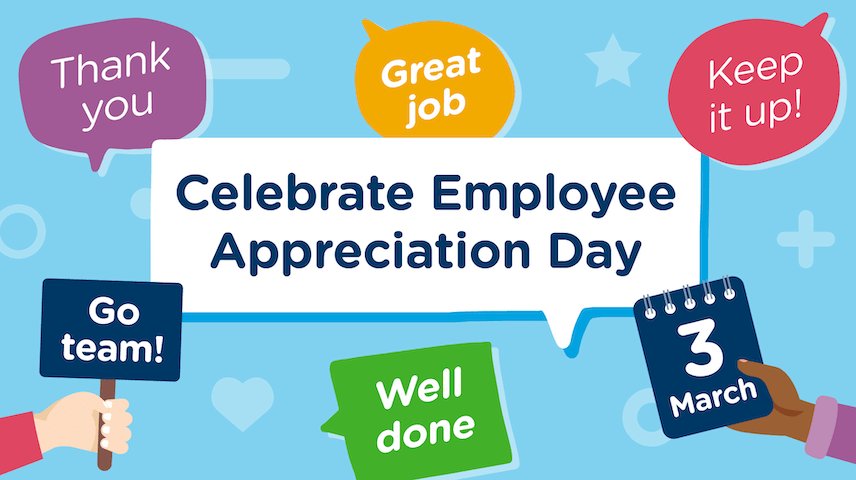
National Employee Appreciation Day may appear on the calendar once a year, but real appreciation shouldn’t be limited to a single “Hallmark” moment. Employees notice when recognition only happens on designated days — and they also notice when appreciation is part of everyday interactions. From a simple “good morning” to a handwritten thank-you note or meaningful conversation about the impact of their work, consistent and genuine appreciation builds stronger connections, deeper engagement, and a healthier workplace culture. The leaders who make appreciation a daily habit, not an annual event, are the ones who create teams that truly feel valued.

SuperBowl Monday is the Least Productive Day of the Year – 10 Ways to Plan Ahead!

SuperBowl Monday is the Least Productive Day of the Year – 10 Ways to Plan Ahead!

Many leaders worry that remote or flexible employees aren’t working hard enough — a concern Microsoft has labeled “productivity paranoia.” At the same time, employees often feel pressure to perform “productivity theater,” constantly appearing busy to prove their value. This disconnect erodes one of the most important foundations of a healthy workplace: trust. Instead of expecting employees to be “on” every moment of every day, effective leaders recognize that productivity ebbs and flows – and they create environments where slower days can be used for reflection, development, and strategic thinking rather than suspicion.

dandelion

How to Hack into Root Problems

Quick fixes may make problems look solved, but like weeds in a lawn, they often grow back stronger if the root cause isn’t addressed. In fast-paced workplaces, leaders can fall into the habit of reacting quickly with surface-level solutions instead of slowing down to diagnose the real issue. By managing stress, engaging the logical part of the brain, and intentionally pausing to think more clearly, leaders can move beyond temporary fixes and uncover lasting solutions that strengthen their teams and organizations.