Must-Read Insights

Thought Leadership for Today's Business Leaders

Dive into understanding how our philosophy can help you along the path to prosperity.

icon showing results and business growth

Seven Ideas To Help You STOP Multitasking (and Why It Matters)

For years I proudly called myself a multitasker. Give me one task and I could show you three more things I could do while completing it. Being busy felt like being productive—until one day I found myself so overwhelmed by competing priorities that I literally multitasked crying at my desk. That moment forced me to confront an uncomfortable truth: multitasking wasn’t helping me get more done—it was making me less effective.

Research shows that what we call “multitasking” is actually task-switching. Each time we switch between tasks, our brain has to reset its focus, dividing attention and increasing the likelihood of mistakes. Studies have even shown that when people try to juggle multiple goals, their brains split attention between them—and performance drops significantly.

Be the boss that doesn’t require virtual for every meeting

“Do you want to skip Zoom and just talk on the phone?” When I sent that message to a colleague recently, his reply came back instantly: “YES.” Zoom fatigue is real, and many teams are feeling it. As remote and hybrid work become the norm, leaders must recognize that constant virtual meetings can drain energy, reduce engagement, and make collaboration harder than it needs to be.

Research shows that virtual meetings require more mental effort than in-person conversations. Our brains work harder to interpret tone, facial expressions, and delayed responses through a screen. Add the pressure of being “on camera,” interruptions from home life, and an endless stream of scheduled calls, and it’s no surprise that many employees feel exhausted.

Great leaders respond by rethinking how meetings happen. They reduce unnecessary calls, allow cameras to be off when appropriate, and create intentional spaces for connection and productivity. By putting people first and listening to how their teams experience virtual work, leaders can build healthier, more sustainable ways to collaborate in a hybrid world.

icon showing a light bulb as influence

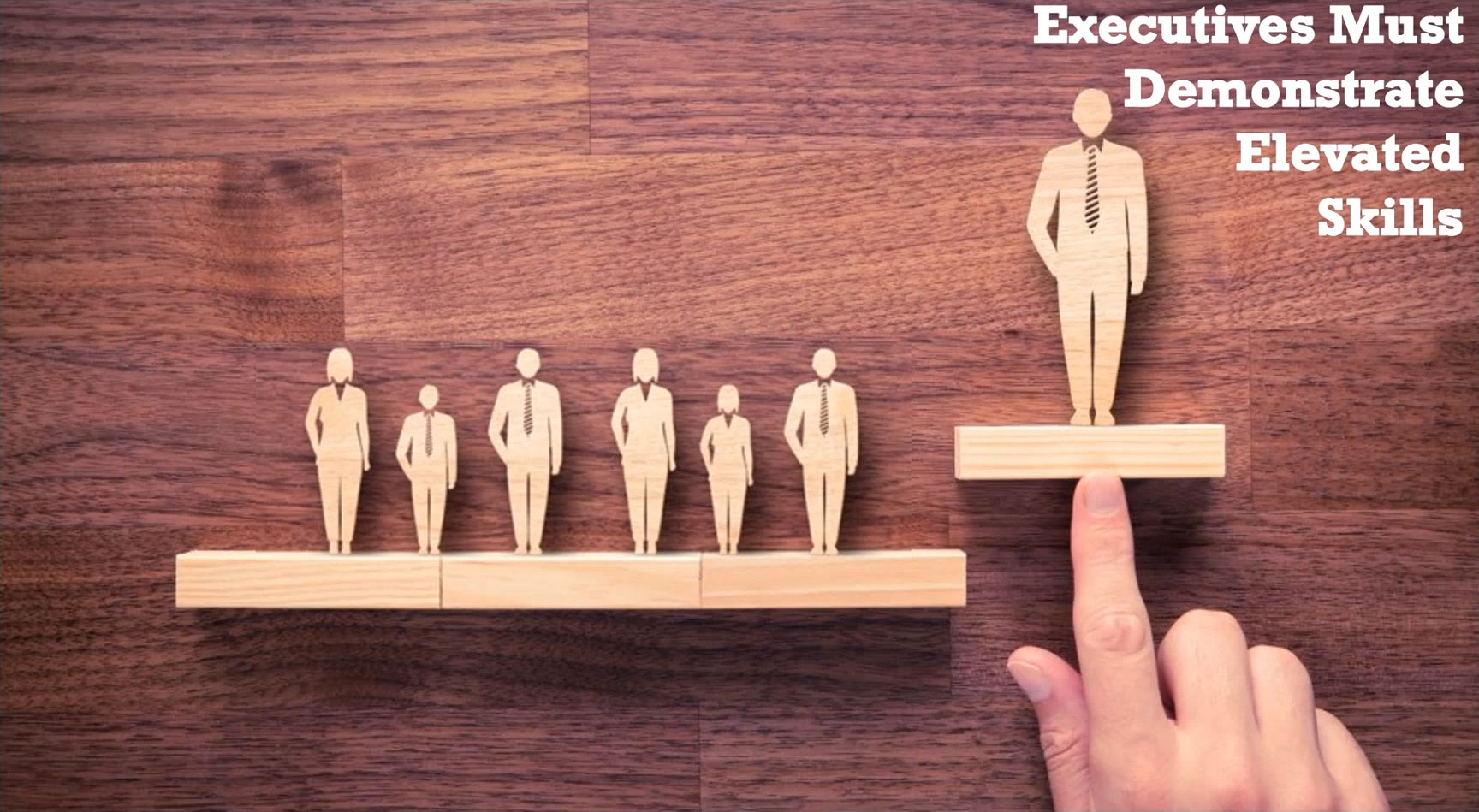
Is Teachership the New Leadership?

Two things are true about leadership: if you’re a leader, you’re a teacher—and great leaders are great readers. Many of the world’s top CEOs credit their success to constant learning. Warren Buffett reads hundreds of pages a day, Bill Gates finishes about 50 books a year, and Mark Cuban spends hours daily reading. The reason is simple: leaders who continue learning are better equipped to guide and develop the people around them.

But learning alone isn’t enough. Real leadership impact happens when knowledge is shared. Psychology calls this the protégé effect—we understand and retain information better when we teach it to others. When leaders coach, mentor, and share what they learn, they strengthen both their teams and their own mastery.

Great leaders intentionally create teaching moments—whether through mentorship, discussion, or everyday conversations. By committing to continuous learning and passing that knowledge forward, leaders build stronger teams, develop future leaders, and create a culture of growth within their organization.

conflict

Is There a Right Way to Fight with my Coworkers? Oh Yes.

Conflict at work is inevitable—but it doesn’t have to be destructive. In fact, research shows that when handled the right way, disagreement between coworkers can actually improve creativity, collaboration, and performance. The problem is that many of us avoid conflict altogether because our brains interpret disagreement as a threat, triggering what psychologists call an “amygdala hijack.” In those moments, our instinct is to fight, flee, or shut down—rather than engage productively.

Great leaders understand that innovation requires healthy conflict. When teams feel psychologically safe to question ideas, challenge assumptions, and offer different perspectives, better solutions emerge. The key is not eliminating conflict, but learning to “fight better.”

By modeling respectful disagreement, encouraging diverse viewpoints, and framing conflict as curiosity instead of confrontation, leaders can transform tension into collaboration. When teams learn to fight the right way, they don’t fall apart—they grow stronger and more united.

strategic planning

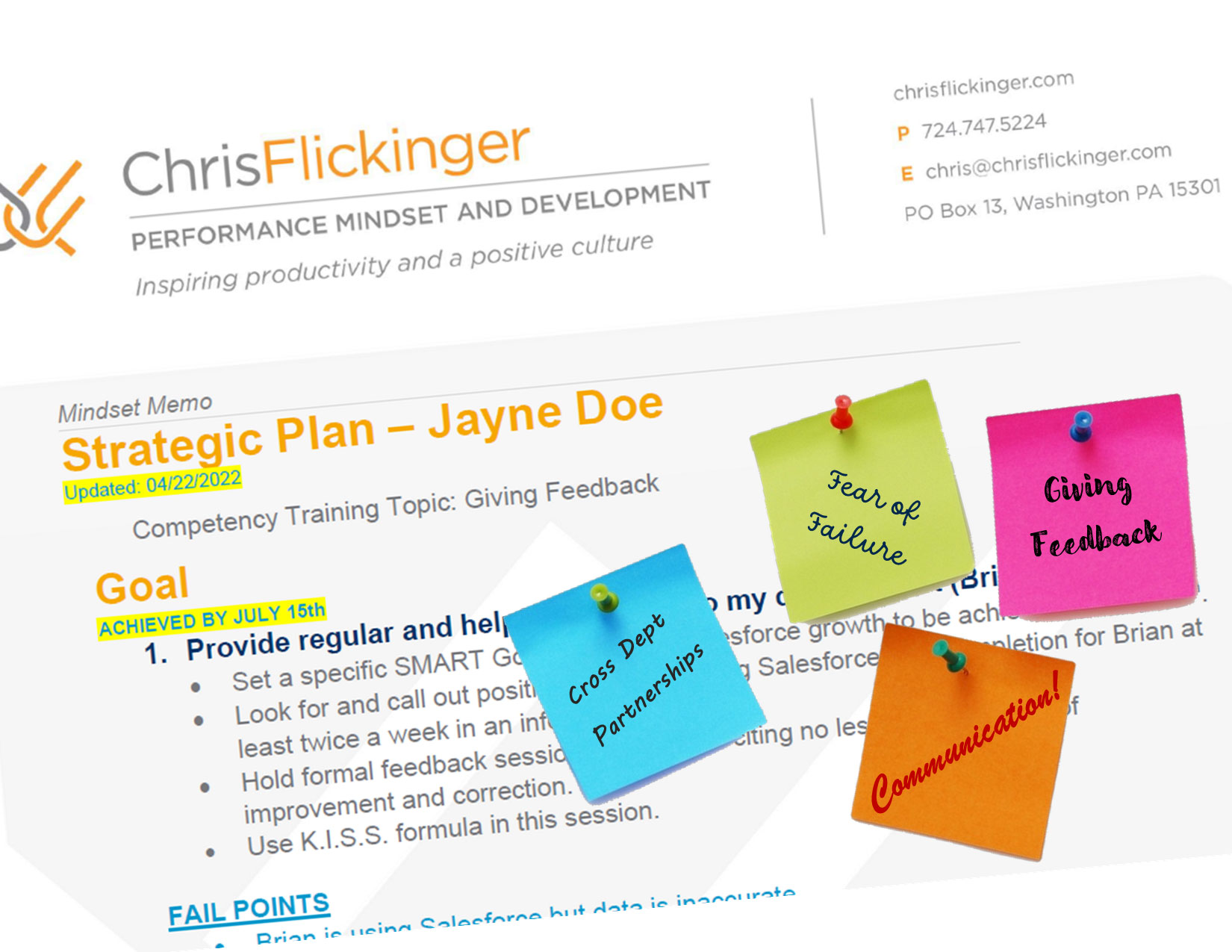
The Value of a Strategically Built Soft Skill Development Plan

There is a talent crisis occurring right now in today’s workforce. Give yourself and your team an advantage by taking the time to set up a developmental plan around soft skills. The investment now will pay off later. With a strategically built soft-skill development plan that accounts for an organization’s key values and the needs of its workers, organizations set a strong foundation for employee growth, productivity, and satisfaction that will help to ensure long-lasting success.

empathy

Human First, Employee Second: 7 Random Acts of Kind Leadership

“I always remember human first, employee second.” One of my clients recently shared this simple but powerful leadership philosophy—and it highlights a major gap in many workplaces today. While 60% of CEOs believe their organizations are empathetic, only 24% of employees agree. That disconnect has real consequences, with many employees leaving their companies in search of more compassionate environments.

Empathy is not something that can be mandated through policies or written in an employee handbook. It’s a leadership skill that must be developed intentionally. Psychologist Daniel Goleman describes three forms of empathy—cognitive, emotional, and compassionate—each playing a role in how leaders understand, connect with, and support their teams.

Great leaders practice empathy by listening deeply, recognizing the human challenges their employees face, and creating genuine connections. When leaders see their team members as people first and employees second, they build trust, strengthen engagement, and create workplaces where individuals—and organizations—can truly thrive.

balance

Stop the “Life Balance” Thing

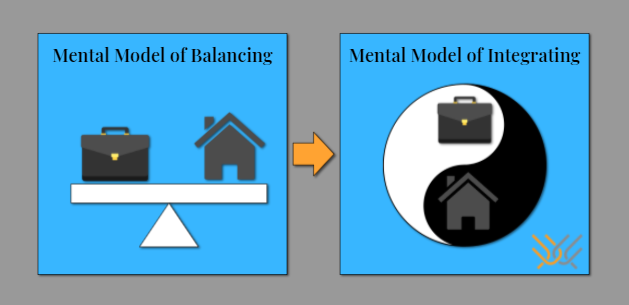
We hear about work-life balance all the time—but according to leaders like Jeff Bezos, the concept itself may be flawed. The idea that work and life exist in perfect opposition creates pressure to constantly trade one for the other. Instead, many successful leaders embrace a different concept: work-life blending.

Rather than treating work and personal life as separate blocks competing for time, blending recognizes that the two are deeply interconnected. Research shows that modern work environments—especially with remote and hybrid models—naturally blur the lines between professional and personal responsibilities. The most effective leaders acknowledge this reality and create environments that support flexibility, wellness, and healthy integration.

Great leaders understand that their habits influence their teams. When leaders model healthy routines, encourage flexibility, and support employees as whole people—not just workers—they build cultures where productivity, well-being, and engagement can thrive together.