
Must-Read Insights
Thought Leadership for Today's Business LeadersDive into understanding how our philosophy can help you along the path to prosperity.
3 Part Blog Series: The Job Interview – Part 2: Speed Up! On-Boarding and Stopping Buyer’s Remorse
Imagine hiring someone you’re excited about, investing time and energy into their success, and then a few months later realizing you may have made the wrong choice. Many organizations fall into the trap of hoping things will improve instead of addressing the situation proactively—often at the expense of time, money, and company culture.
One effective solution is implementing a 100-Day Plan and Assessment period for new hires. This structured approach gives both the employer and the employee time to determine whether the role and organization are truly the right fit. By defining clear goals, expectations, and success metrics during the first 100 days, leaders create a roadmap for onboarding while also establishing a fair evaluation process.
Great leaders recognize that hiring is not just about filling a role—it’s about building the right team. A thoughtful onboarding and evaluation process helps ensure that both the organization and the employee can succeed together.

3 Part Blog Series: The Job Interview – Part 1: Slow Down! Hiring Too Fast Is a Major Pitfall in Productivity
Hiring the right person is never easy. In many ways, the hiring process can feel like a 50/50 gamble, with leaders making decisions based on limited information. The goal isn’t perfection—it’s simply improving the odds. By making small adjustments to the hiring process, leaders can shift the odds slightly in their favor and make better hiring decisions.
One of the biggest mistakes organizations make is hiring too quickly. Companies are often quick to hire and slow to fire, which can have serious consequences for morale, productivity, and company culture. Great leaders recognize that hiring should be a deliberate process that includes multiple steps such as resume reviews, phone screenings, interviews, and practical assessments.
Instead of relying solely on traditional interview questions, effective hiring processes incorporate situational scenarios and real-world assignments that allow candidates to demonstrate how they think and solve problems. Slowing down the hiring process and evaluating skills, values, and training needs can dramatically improve the likelihood of finding the right fit for both the role and the organization.

How Great Leaders Encourage Collaboration with Remote Work
Remote work has quickly shifted from a workplace perk to a standard expectation for many employees. During the pandemic, millions of workers moved from office environments to working from home almost overnight. While this change has proven that remote teams can remain productive, it has also introduced new challenges around communication, collaboration, and maintaining strong workplace connections.
One key concept leaders must understand is “smart collaboration.” Collaboration doesn’t simply mean working together constantly. In fact, too much collaboration can be just as damaging as too little. Research shows that the most productive teams often work in “bursty communication” patterns—short, focused periods of interaction followed by longer stretches of independent work.
Great leaders recognize that effective remote work requires intentional communication and thoughtful collaboration. By balancing connection with focused individual work, leaders can help their teams stay productive, innovative, and engaged—even when they aren’t in the same room.
The Science Behind How Helping Others Also Helps YOU
Many people have heard the advice: “Find your purpose at work and you’ll enjoy your job more.” While no job is perfect, finding meaning in your work often comes from understanding how your efforts help others—whether that’s customers, clients, or coworkers. Research shows that helping others improves self-esteem, well-being, and overall job satisfaction.
The challenge is that we often focus too narrowly on daily tasks instead of the larger impact of what we do. When employees step back and see how their work contributes to solving problems, supporting others, or creating value, their sense of purpose grows significantly.
Great leaders help their teams make this connection. By clarifying expectations, highlighting the impact of each role, and encouraging employees to see the value they bring to others, leaders can transform work from simply completing tasks into meaningful contributions.
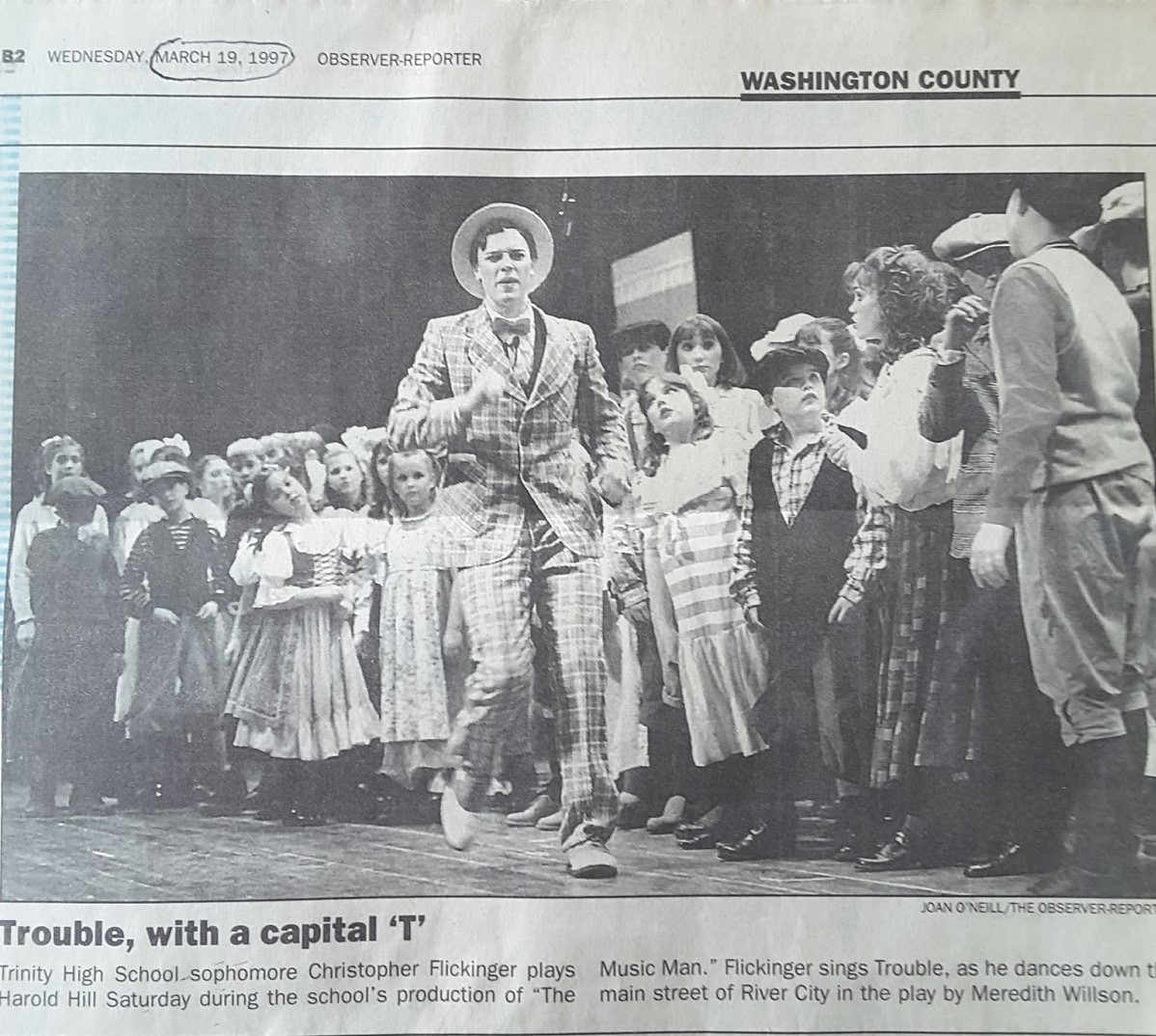
How Great Leaders Improv On and Off Stage
Great leadership cannot exist without great followers. As Chris often says, “A leader must have followers—and followers are not the same thing as prisoners.” Yet many organizations overlook the importance of followership, focusing only on leadership development while ignoring the role followers play in creating high-performing teams.
Research from Dr. Robert Kelley identifies several types of followers, but the most valuable are “effective followers”—individuals who are actively engaged, think independently, and are willing to challenge ideas in pursuit of better outcomes. These followers don’t simply comply; they collaborate, contribute ideas, and help shape the direction of the organization.
Great leaders understand that the goal is not to create passive followers, but empowered participants who bring energy, creativity, and ownership to their work. When leaders learn to “follow the follower,” they create a culture where people feel heard, valued, and motivated to help move the organization forward.

Scaling Up Is Not Accidental
Many successful mid-sized companies eventually reach a point where growth begins to stall. The instincts, systems, and leadership styles that fueled early success start to show their limits as the organization becomes more complex. What once worked at $20 million in revenue often becomes a liability at $80 million or beyond. The result is a quiet plateau—slower decisions, misaligned teams, and innovation that feels harder to sustain.
The reality is that scaling a business is not simply about doing more of the same. It requires evolving the organization itself—its systems, leadership capabilities, talent development, and decision-making processes. Research shows that companies that fail to build enterprise-wide systems during their scaling phase are significantly more likely to stagnate or decline.
True growth at this stage is not just financial—it’s organizational maturity. Companies that successfully scale recognize that the next phase of growth requires transforming how the entire enterprise operates.

Connecting In Crisis
TRUE or FALSE: Connecting in a time of crisis requires messy vulnerability.
Locus of Control
In a world that is constantly changing, team members can be paralyzed by feeling that they have lost control of everything. But have they? How can you and your team work better by realizing what you can and can not control.

Mind Games You Cannot Afford to Lose
The average person spends the equivalent of 13 years of their life at work, so it’s no surprise that employees expect more than just a paycheck—they expect honesty, respect, and a workplace that matches what they were promised. Yet many employees who are well compensated still choose to leave their jobs. The reason often comes down to one simple issue: their reality doesn’t match their expectations.
This disconnect is known as a breach of the “psychological contract,” the unwritten set of expectations between employees and their leaders. When employees feel that promises have been broken—whether through lack of recognition, communication, or support—trust begins to erode. Research shows that these breaches can lead to burnout, disengagement, and ultimately employee turnover.
Great leaders understand that maintaining a healthy psychological contract requires consistent communication, clear expectations, and genuine trust. When leaders actively nurture these relationships, they create workplaces where employees feel valued, engaged, and far less likely to walk out the door.