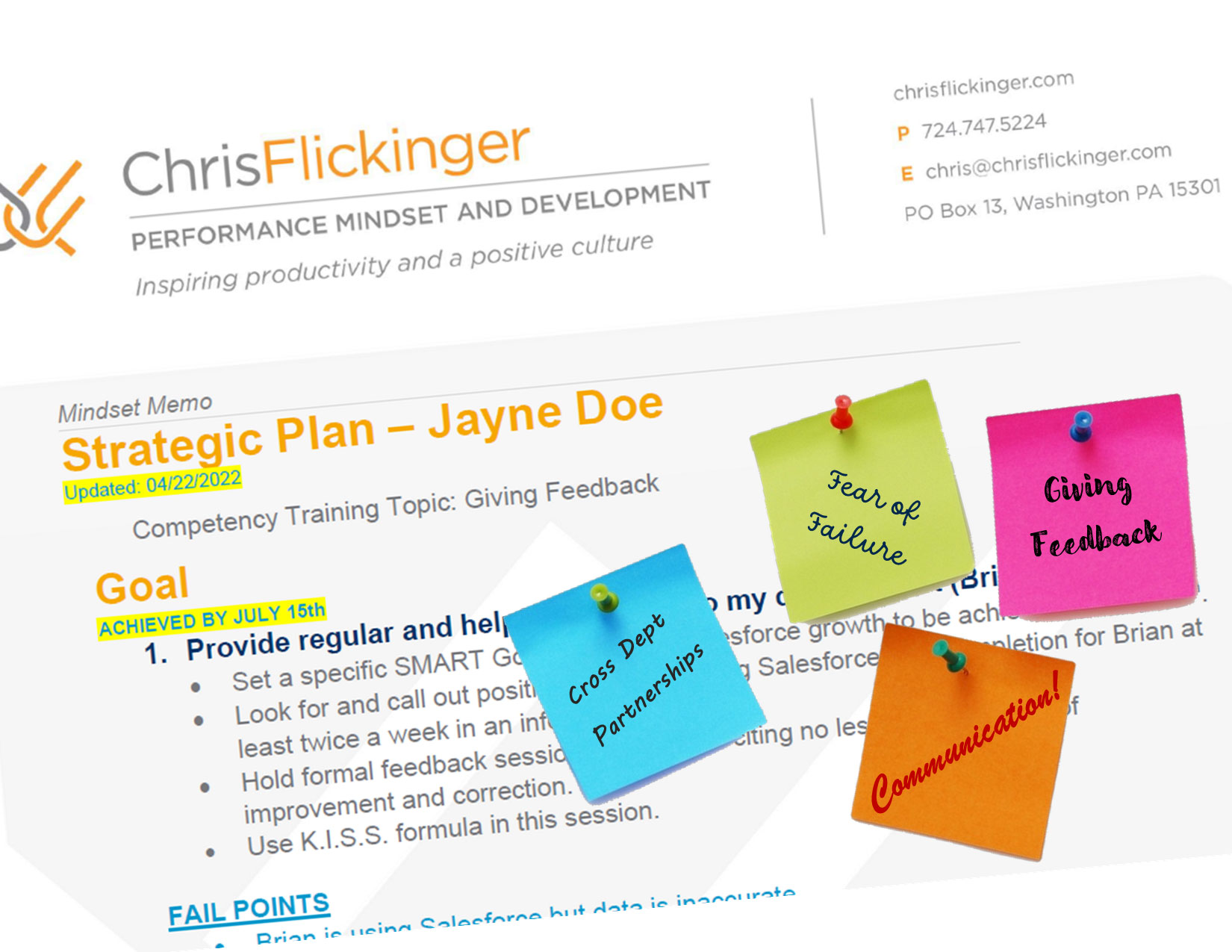
There is a talent crisis occurring right now in today’s workforce. Give yourself and your team an advantage by taking the time to set up a developmental plan around soft skills. The investment now will pay off later. With a strategically built soft-skill development plan that accounts for an organization’s key values and the needs of its workers, organizations set a strong foundation for employee growth, productivity, and satisfaction that will help to ensure long-lasting success.
Must-Read Insights
Thought Leadership for Today's Business LeadersDive into understanding how our philosophy can help you along the path to prosperity.
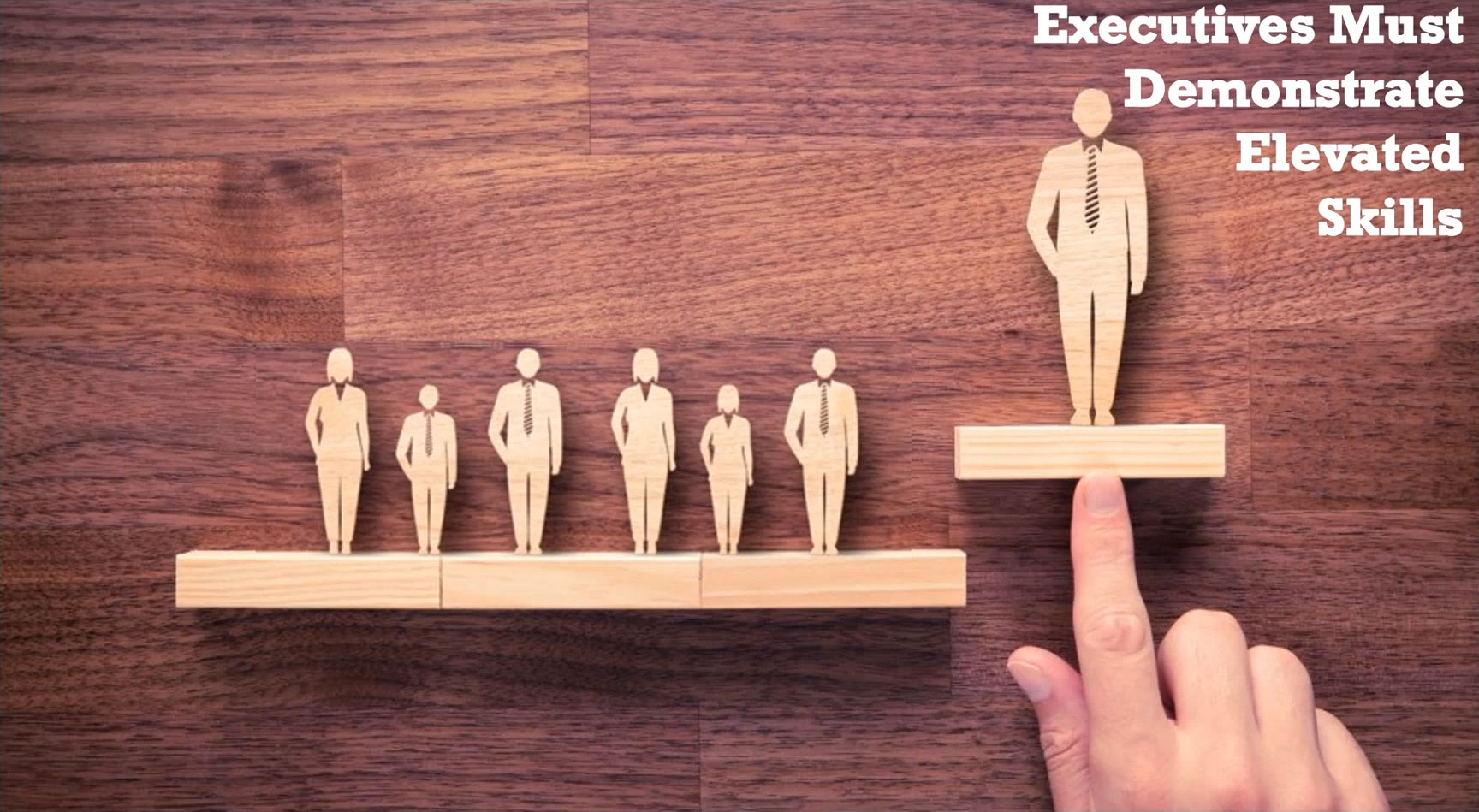
7 Fast-Tracking Skills for Becoming a More Effective Executive
What are the seven skills every executive needs to develop to improve their leadership?
Human First, Employee Second: 7 Random Acts of Kind Leadership
“I always remember human first, employee second.” One of my clients recently shared this simple but powerful leadership philosophy—and it highlights a major gap in many workplaces today. While 60% of CEOs believe their organizations are empathetic, only 24% of employees agree. That disconnect has real consequences, with many employees leaving their companies in search of more compassionate environments.
Empathy is not something that can be mandated through policies or written in an employee handbook. It’s a leadership skill that must be developed intentionally. Psychologist Daniel Goleman describes three forms of empathy—cognitive, emotional, and compassionate—each playing a role in how leaders understand, connect with, and support their teams.
Great leaders practice empathy by listening deeply, recognizing the human challenges their employees face, and creating genuine connections. When leaders see their team members as people first and employees second, they build trust, strengthen engagement, and create workplaces where individuals—and organizations—can truly thrive.
Stop the “Life Balance” Thing
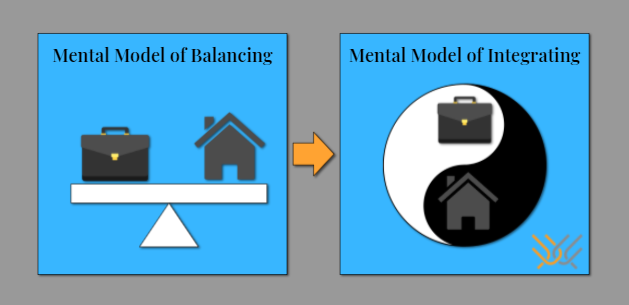
We hear about work-life balance all the time—but according to leaders like Jeff Bezos, the concept itself may be flawed. The idea that work and life exist in perfect opposition creates pressure to constantly trade one for the other. Instead, many successful leaders embrace a different concept: work-life blending.
Rather than treating work and personal life as separate blocks competing for time, blending recognizes that the two are deeply interconnected. Research shows that modern work environments—especially with remote and hybrid models—naturally blur the lines between professional and personal responsibilities. The most effective leaders acknowledge this reality and create environments that support flexibility, wellness, and healthy integration.
Great leaders understand that their habits influence their teams. When leaders model healthy routines, encourage flexibility, and support employees as whole people—not just workers—they build cultures where productivity, well-being, and engagement can thrive together.
Manager & Leader Mindset. Having a Balance of Both is the Catalyst for Growth.
Martin Luther King Jr. once said, “The ultimate measure of a man is not where he stands in moments of comfort and convenience, but where he stands at times of challenge and controversy.” So, was MLK a good leader or a good manager?
Is Your Ego Preventing You from Being a Better Leader?
Many leaders talk about leading change, but far fewer succeed at getting others to truly buy in with their hands, heart, and mind. Often the biggest barrier isn’t the team—it’s the leader’s own ego. When leaders become overly attached to their ideas, they can fall into a psychological trap known as escalation of commitment, continuing to invest time, energy, and resources into a failing path simply because they’ve already committed to it.
Research shows this happens for several reasons: sunk costs, fear of regret, the desire to finish what was started, and the threat to one’s ego if they admit they were wrong. But great leaders understand that changing direction isn’t weakness—it’s wisdom.
The most effective leaders stay aware of this bias, check their egos, and remain flexible enough to pivot when new information emerges. By openly admitting mistakes, encouraging critical thinking, and celebrating lessons learned, leaders create a culture where smart adjustments—not stubborn persistence—drive better results.
3 Part Blog Series: The Job Interview – Part 3: Let the Wrong People Pass By You! Find the Givers and Pass on the Takers
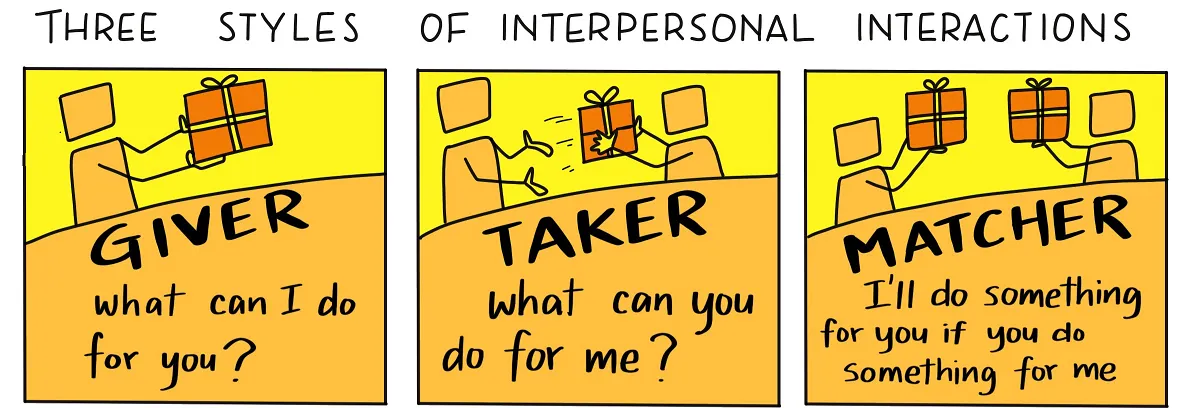
When hiring new employees, many leaders focus on experience, skills, and credentials—but they may be overlooking one of the most important qualities: humility. Research from organizational psychologist Adam Grant highlights three types of people in the workplace—givers, takers, and matchers—and shows that organizations thrive when they screen out the “takers.” Even a single taker can have a disproportionately negative impact on team culture and performance.
Great hiring processes look beyond résumés and probe deeper into how candidates view success and relationships. Questions such as “To whom do you owe your success?” or “Who has influenced your career the most?” can reveal whether someone recognizes the contributions of others or focuses primarily on themselves.
3 Part Blog Series: The Job Interview – Part 2: Speed Up! On-Boarding and Stopping Buyer’s Remorse
Imagine hiring someone you’re excited about, investing time and energy into their success, and then a few months later realizing you may have made the wrong choice. Many organizations fall into the trap of hoping things will improve instead of addressing the situation proactively—often at the expense of time, money, and company culture.
One effective solution is implementing a 100-Day Plan and Assessment period for new hires. This structured approach gives both the employer and the employee time to determine whether the role and organization are truly the right fit. By defining clear goals, expectations, and success metrics during the first 100 days, leaders create a roadmap for onboarding while also establishing a fair evaluation process.
Great leaders recognize that hiring is not just about filling a role—it’s about building the right team. A thoughtful onboarding and evaluation process helps ensure that both the organization and the employee can succeed together.
3 Part Blog Series: The Job Interview – Part 1: Slow Down! Hiring Too Fast Is a Major Pitfall in Productivity
Hiring the right person is never easy. In many ways, the hiring process can feel like a 50/50 gamble, with leaders making decisions based on limited information. The goal isn’t perfection—it’s simply improving the odds. By making small adjustments to the hiring process, leaders can shift the odds slightly in their favor and make better hiring decisions.
One of the biggest mistakes organizations make is hiring too quickly. Companies are often quick to hire and slow to fire, which can have serious consequences for morale, productivity, and company culture. Great leaders recognize that hiring should be a deliberate process that includes multiple steps such as resume reviews, phone screenings, interviews, and practical assessments.
Instead of relying solely on traditional interview questions, effective hiring processes incorporate situational scenarios and real-world assignments that allow candidates to demonstrate how they think and solve problems. Slowing down the hiring process and evaluating skills, values, and training needs can dramatically improve the likelihood of finding the right fit for both the role and the organization.